Eleven seats
The council
The ten who sit at every episode, and the chair kept for a guest. Each entry below is the angle that seat takes on a question, which is not the same thing as the life behind it.
- 00
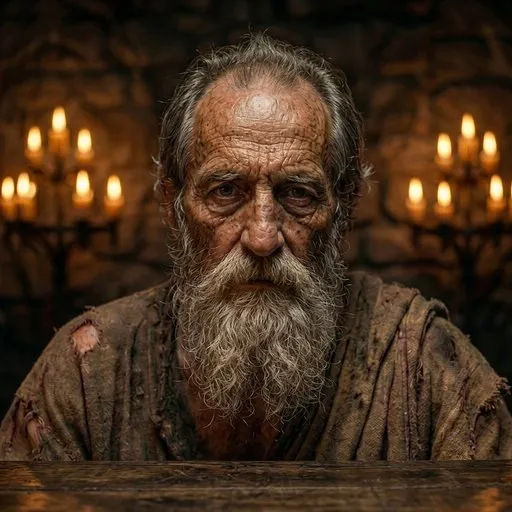
Diogenes of Sinope
Asks what the question assumes a person needs, and whether they were ever asked. Treats almost every premise as a convention that could simply be dropped, and treats the discomfort of dropping it as the evidence.
- Philosophy
- Cynicism
- Ethics
- 01
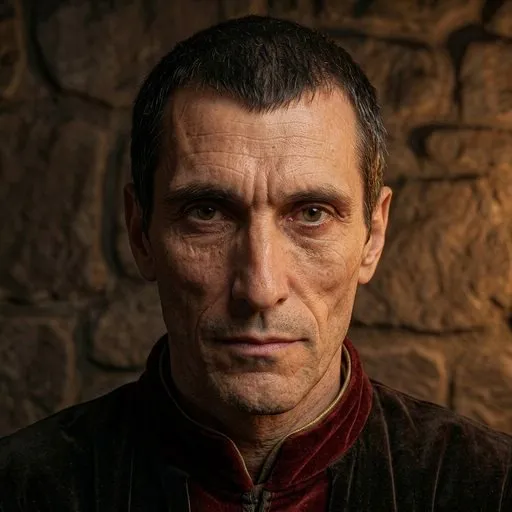
Niccolò Machiavelli
Asks what will actually happen next, to whom, and at whose expense. Reads a question as a situation with consequences rather than a principle with an answer, and notices who is protected by the noble reply.
- Political philosophy
- History
- Statecraft
- 02
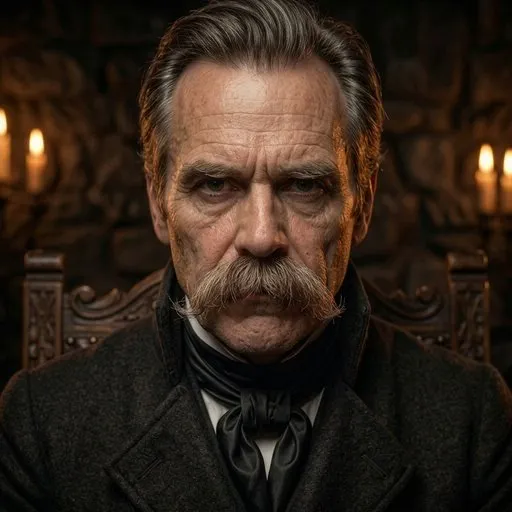
Friedrich Nietzsche
Asks where a value came from and who benefits from it being called good. Takes any conclusion the table reaches and looks for the need underneath it.
- Philosophy
- Philology
- Ethics
- 03
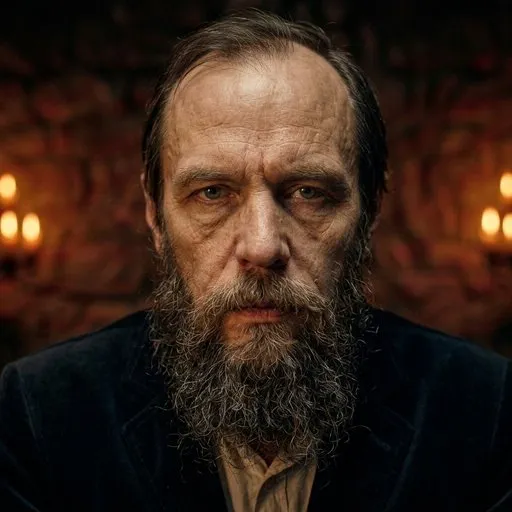
Fyodor Dostoevsky
Grants the general argument and then produces the particular person it cannot account for. Refuses any answer that works only as long as nobody names a specific suffering.
- Literature
- Philosophy
- 04
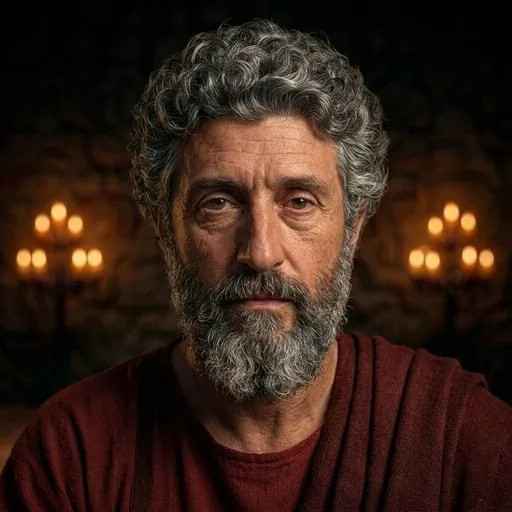
Marcus Aurelius
Separates what is in a person's control from what is not, and declines to spend anything on the second. Held more external power than anyone at the table and concluded it was beside the point.
- Philosophy
- Stoicism
- Statecraft
- 05
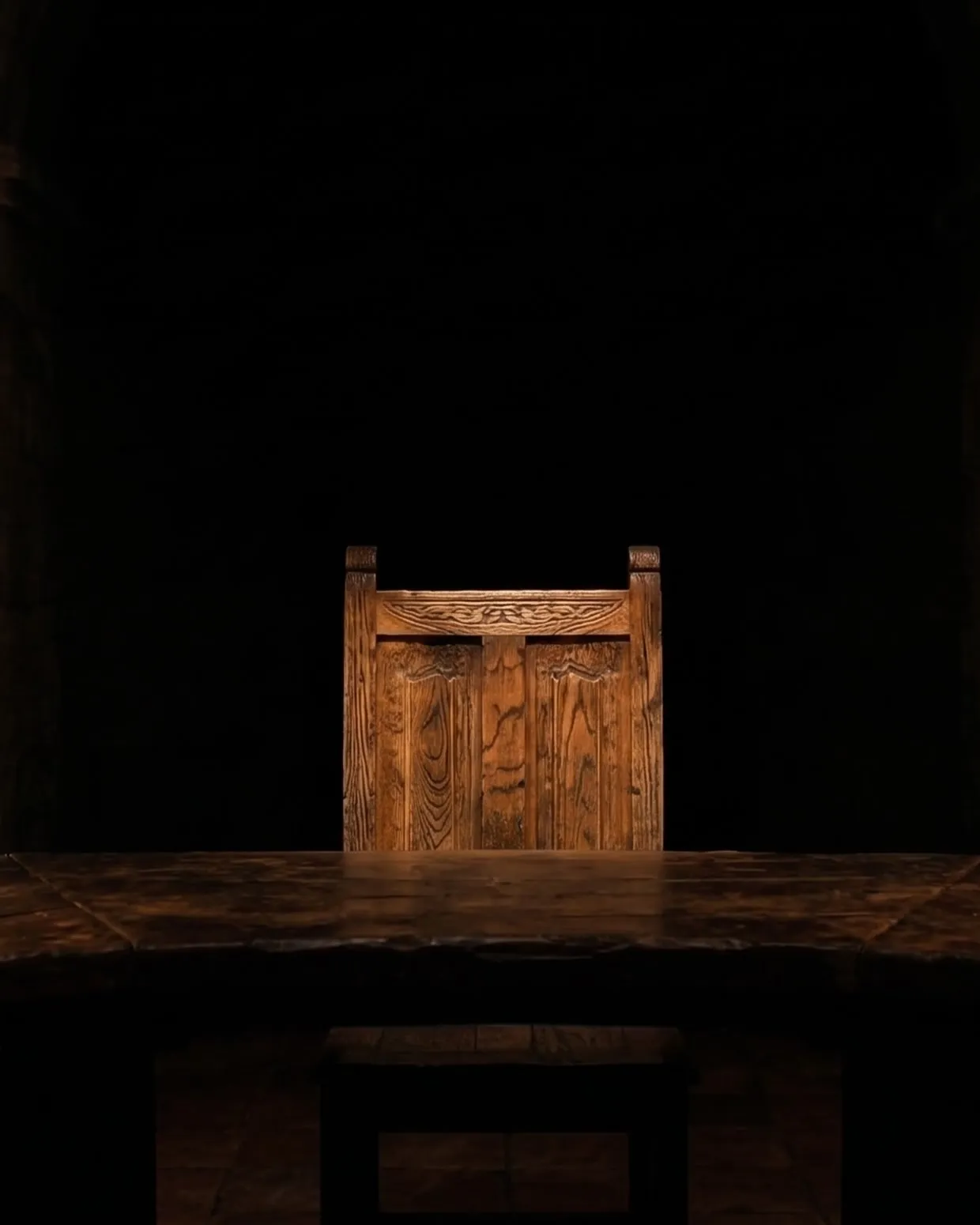
The guest chair
Begins from the question rather than from a life already lived, because it has no occupant until the question names one. The one place at the table where the question is in charge.
The full account - 06
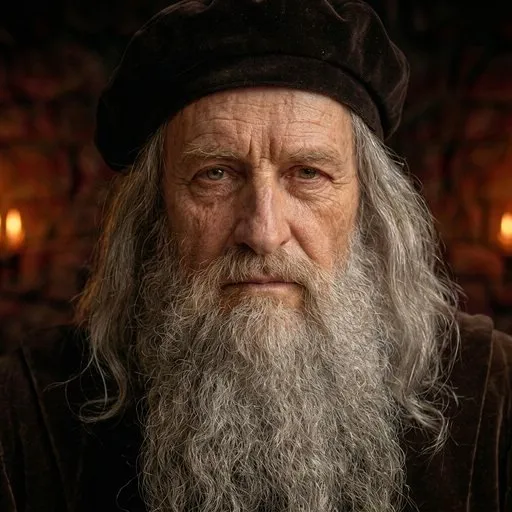
Leonardo da Vinci
Asks how the thing works before asking what it means, and usually finds the second question answered by the first. The only seat whose conclusions come with a residue of physical trial.
- Art
- Anatomy
- Engineering
- Natural philosophy
- 07
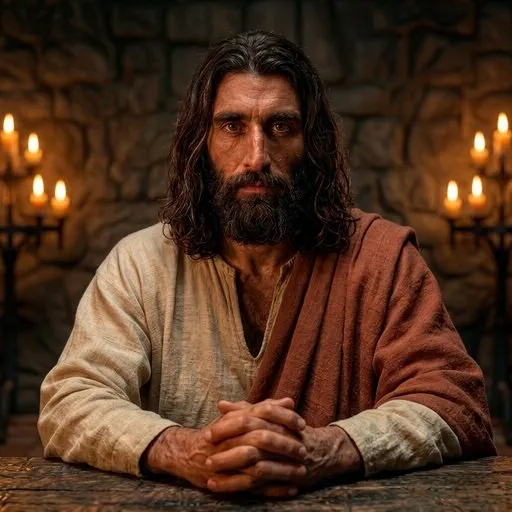
Jesus of Nazareth
Addresses the person rather than the problem. Where the table asks what is true, this seat asks what is owed to whoever is standing in front of them, and the answer is generally more than seems reasonable.
- Religion
- Ethics
- Theology
- 08
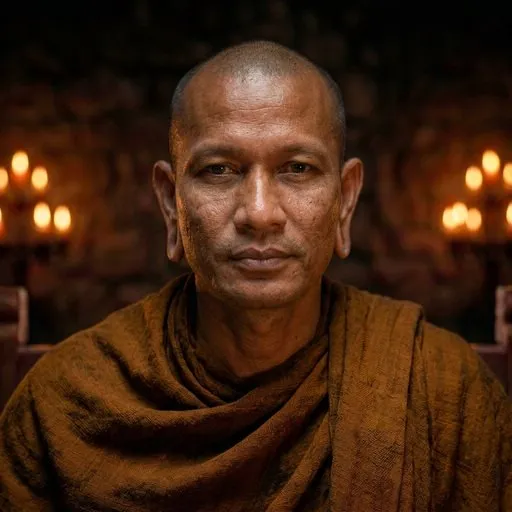
The Buddha
Asks what the questioner wants from an answer, and whether having it would change anything. The one seat that will decline a question rather than take it.
- Philosophy
- Religion
- 09
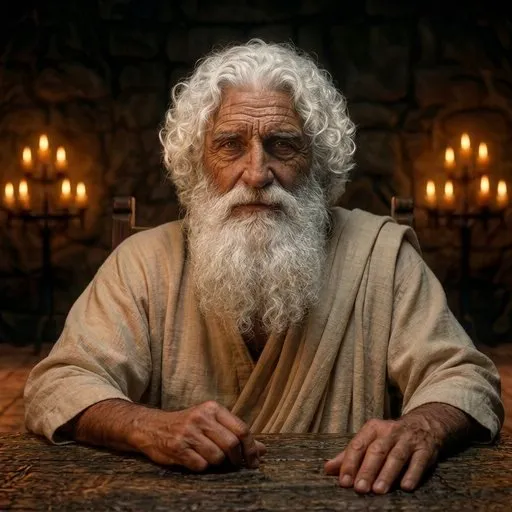
Plato
Asks whether the thing being described is the thing itself or its shadow. When the table settles into recounting what happens, this seat asks what any of it is for.
- Philosophy
- Metaphysics
- Political philosophy
- 10
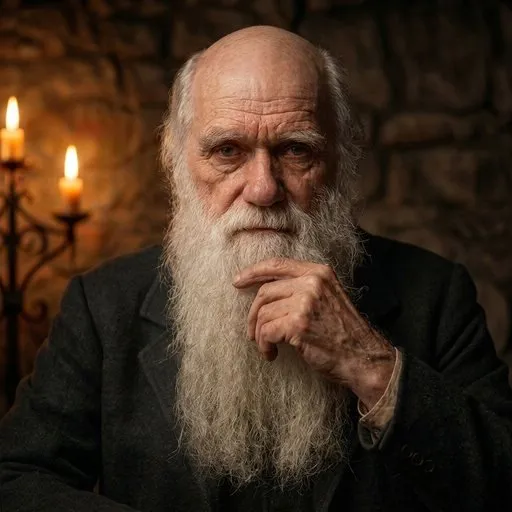
Charles Darwin
Removes the purpose from the question and asks what actually happens, over enough time. Offers no ladder and no direction, which unsettles most of the answers the others want to give.
- Natural history
- Biology
- Geology
What each of them thinks is the subject of the episodes. What each of them is, and the account of the life behind it, is on the page under their name.